
August 2026: National Farmers Market Week
We’re Back and Celebrating National Farmers Market Week!
By: Maggie Kunkel
Here at Market Central we are very excited to be celebrating National Farmers Market Week! National Farmers Market Week began as “a little-known proclamation declared by the USDA” into the annual celebration it is today through the work of the National Farmers Market Coalition in tandem with Farmers Market State Associations, farmers market managers, and leaders in local food across the country at both the state and local levels. This week highlights the vital role farmers markets play in both our communities and our food system.
The National Farmers Market Coalition is a 501(c)(3) nonprofit organization focused on working with farmers market managers and operators to strengthen markets across the country so they can serve as assets to their community while also providing stable income opportunities for local farmers. Their work is driven by 3 complementary goals, which they call their triple bottom line. First, farmers earn fair prices for the fruits of their labor by selling directly to consumers. Second, consumers have access to fresh, healthy, and local produce. Third, communities regain a figurative “town square”, and in turn experience the positive outcomes resulting from community connection.
As we move through National Farmers Market Week, we at Market Central have been discussing the role our markets can play in the Charlottesville community, and our long-term strategy for navigating the challenges that farmers and farmers markets across the country are facing. The farm bill is back in play, risks are being posed to SNAP benefits, immigration policy and labor shortages continue to pose challenges to farmers and workers alike, cracks in our supply chain are showing, severe weather events and air quality risks are impacting farmers and markets, and a parasite tied to commodity lettuce (just to name a few…) all bring farmers markets into the conversation about finding a sustainable path forward.
National Farmers Market Week: Why Farmers Markets Matter More Than Ever for Food Access and a Healthier, More Connected Charlottesville
By: Tim Rupnarain
This year's National Farmers Market Week arrives at a pivotal moment for food security in America.
Across the country, families continue to grapple with grocery prices thatremain more than 33 percent higher than they were in 2019. The Urban Institutereports that nearly one in five adults are drawing from savings to afford groceries, nearly one in ten are relying on Buy Now, Pay Later plans to purchase food, and more than one in four are carrying grocery purchases on credit cards they struggle to repay. At the same time, the nation's largest anti-hunger program is undergoing historic change.
Recent federal legislation is projected to reduce SNAP funding by approximately$187 billion over the next decade, the largest reduction in the program's history. According to Congressional Budget Office estimates, roughly4 million Americans are expected to lose some or all their SNAP benefits as these changes are fully implemented, even as food costs remain stubbornly high. That impact is especially significant because emergency food providers cannot replace the scale of SNAP.National hunger organizations estimate that for every one meal provided by food banks, SNAP provides approximately nine!
As federal assistance becomes more limited, ensuring that every remaining SNAP dollar goes further through programs like Virginia Fresh Match has never been more important. At both theFarmers Market at IX andStarr Hill Market, eligible shoppers can use SNAP benefits to purchase fresh, locally grown food. Through Virginia Fresh Match, those benefits are doubled on eligible fruits and vegetables—effectively increasing a family's purchasing power while making healthy food more affordable.
This isn't simply a discount program. It's one of the few investments that simultaneously improves public health, strengthens local agriculture, supports small businesses, and keeps federal nutrition dollars circulating within the regional economy. Every Virginia Fresh Match dollar helps families bring home more nutritious food while directing more revenue to the farmers who grow it.
For Charlottesville's refugee and immigrant families, these programs can be especially transformative. Many newly arrived families qualify for nutrition assistance but remain unaware that their SNAP benefits can be doubled at participating farmers markets. Language barriers, transportation challenges, unfamiliar food systems, and limited multilingual outreach often prevent families from accessing benefits that already belong to them.
Through partnerships with organizations like the International Rescue Committee (IRC) and initiatives such as “Market Buddies,” Market Central is helping bridge that gap. By providing multilingual education, trusted peer guides, and hands-on orientation to our markets, we're helping refugee families maximize every available food dollar while discovering fresh, culturally familiar foods and building meaningful relationships with local farmers and neighbors.
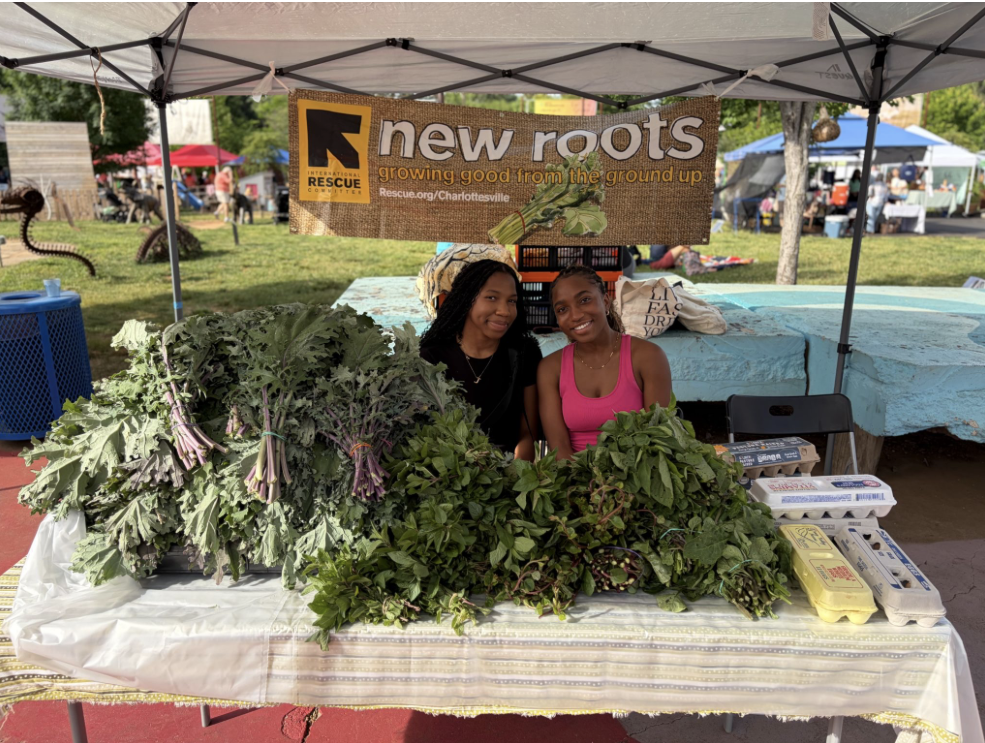
Photo: Through IRC New Roots, refugee and immigrant farmers are sharing fresh, locally grown food, preserving agricultural traditions, and helping build a healthier, more connected community. Find them every Saturday at the Farmers Market at IX!
Beyond shopping, refugee and immigrant families bring rich agricultural traditions, culinary knowledge, and entrepreneurial spirit that enrich Charlottesville's food culture. Our markets regularly feature vendors representing Afghan, Turkish, Lebanese, Congolese, Jamaican, Iranian, Indian, Mexican, Kenyan, Ghanaian, South and Central American, Southeast Asian, African American, and European American traditions. Together, these farmers, artisans, and food producers transform every market into a vibrant gathering place where food becomes a shared language and cultural exchange happens naturally. There is no better place to experience the world while supporting locals.
As new Charlottesville residents become regular market shoppers and vendors, they are not only accessing nutritious ingredients for their families; they are becoming active participants in our local food community through supporting farmers, sharing their own culinary traditions, and strengthening the connections that make our region more vibrant and resilient.
This work benefits everyone. Families gain greater access to healthy food. Farmers gain new customers and more stable income. Federal nutrition benefits generate greater economic impact locally. And Charlottesville becomes a healthier, more connected, and more resilient community.
The Climate Impact of Your Farmers’ Market Visit
By: Tim Rupnarain & Maggie Kunkel
As if rising food costs and growing food insecurity weren't enough, Virginia's farmers are also facing another mounting challenge: a changing climate.
This summer's prolonged heat and historic drought have placed extraordinary stress on farms across the Commonwealth. Weeks of extreme heat, limited rainfall, and depleted soil moisture have reduced crop yields, delayed planting schedules, increased irrigation costs, and forced many producers to make difficult decisions about how best to protect their crops and livestock. In July, the Virginia Department of Agriculture and Consumer Services announced that drought conditions had disrupted planting, reduced yields, damaged pastures, and prompted USDA disaster designations across dozens of Virginia localities. For many people, these challenges can feel distant. But for visitors to the Farmers Market at IX on Saturdays or the Starr Hill Market on Sundays, they're standing just across the table.
Take Deep Roots Milling, for example. This year's drought has had a direct impact on the grains they rely on to produce their locally milled flour, and low water levels have impacted their ability to operate their water-powered mill. Their story is a reminder that climate challenges don't end in the field. Instead, they ripple through every step of our local food system, affecting the ingredients that bakers, restaurants, and home cooks depend on purchasing at the farmers market. Deep Roots Milling was kind enough to send us a write up detailing their experience navigating these climate-related food system challenges:
“At Deep Roots Milling, our milling operations are closely connected to the natural systems around us. Our mill is located at historic Woodson’s Mill and is powered by the water flowing through the mill race. During periods of drought, reduced water levels and flow in the Piney River affect the water level of the mill pond, which in turn affects the flow and available water in the mill race. These changes can directly impact our ability to operate the mill and influence our milling schedules and production capacity.
The Piney River has actually been setting record low water levels since May and will probably continue to do so for the next three months through the low water season. We’re in danger of not having enough water to mill barring well-timed rain events like we had this month.
Increased temperatures and prolonged dry conditions can also create challenges beyond the mill itself. Climate conditions affect agricultural production and the availability and movement of the grains we source from local farmers. These pressures can create additional uncertainty around supply, timing, and production planning. Higher temperatures also place greater demands on our walk-in cooler, which we use to store grain and help maintain its quality. As temperatures rise, keeping the cooler operating efficiently becomes more challenging, increasing energy use and operational costs.
Because our work is connected to both local agriculture and a historic water-powered mill, we experience the effects of changing weather conditions at multiple points throughout our supply chain and operations. Drought and extreme heat can affect the farmers who grow the grain, the timing and availability of our supply, the storage and handling of that grain, and the water resources that power our milling process.
We appreciate Market Central’s interest in highlighting these challenges and helping customers better understand the conditions local farmers and vendors are navigating”.
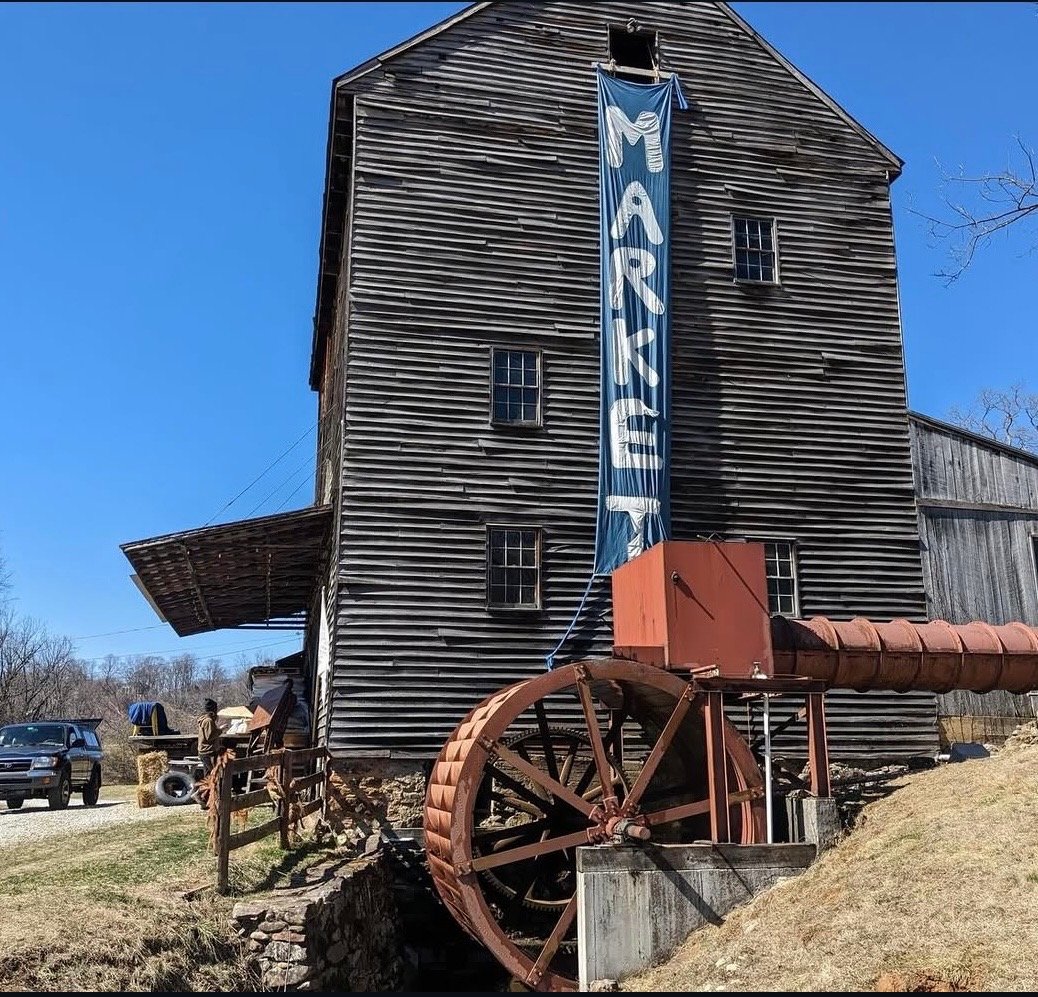
Photo: Deep Roots Milling’s water-powered Grain Mill at historic Woodson’s Mill in Nelson County, VA
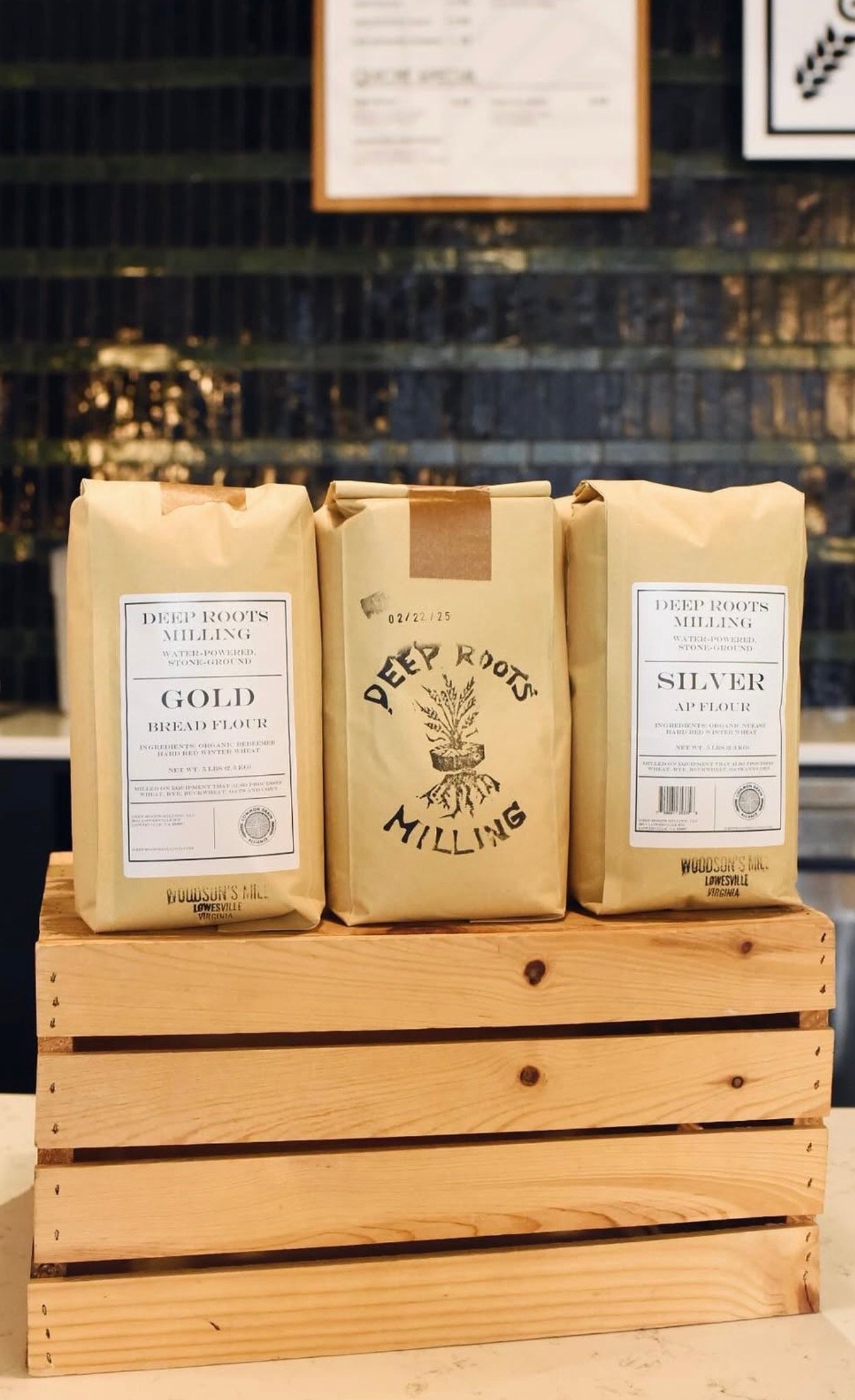
Photo: Deep Roots Milling Flour via @flourdistrictva on Instagram
The effects extend beyond crops alone. At Wayfinder Farm, this summer's prolonged heat wave forced the farm to make the difficult decision to cancel a market day so their team could remain on the farm caring for livestock during dangerously high temperatures. While customers missed seeing them at market that weekend, their absence underscored a reality many farmers face: when extreme weather strikes, caring for animals isn't something that can wait until Monday.
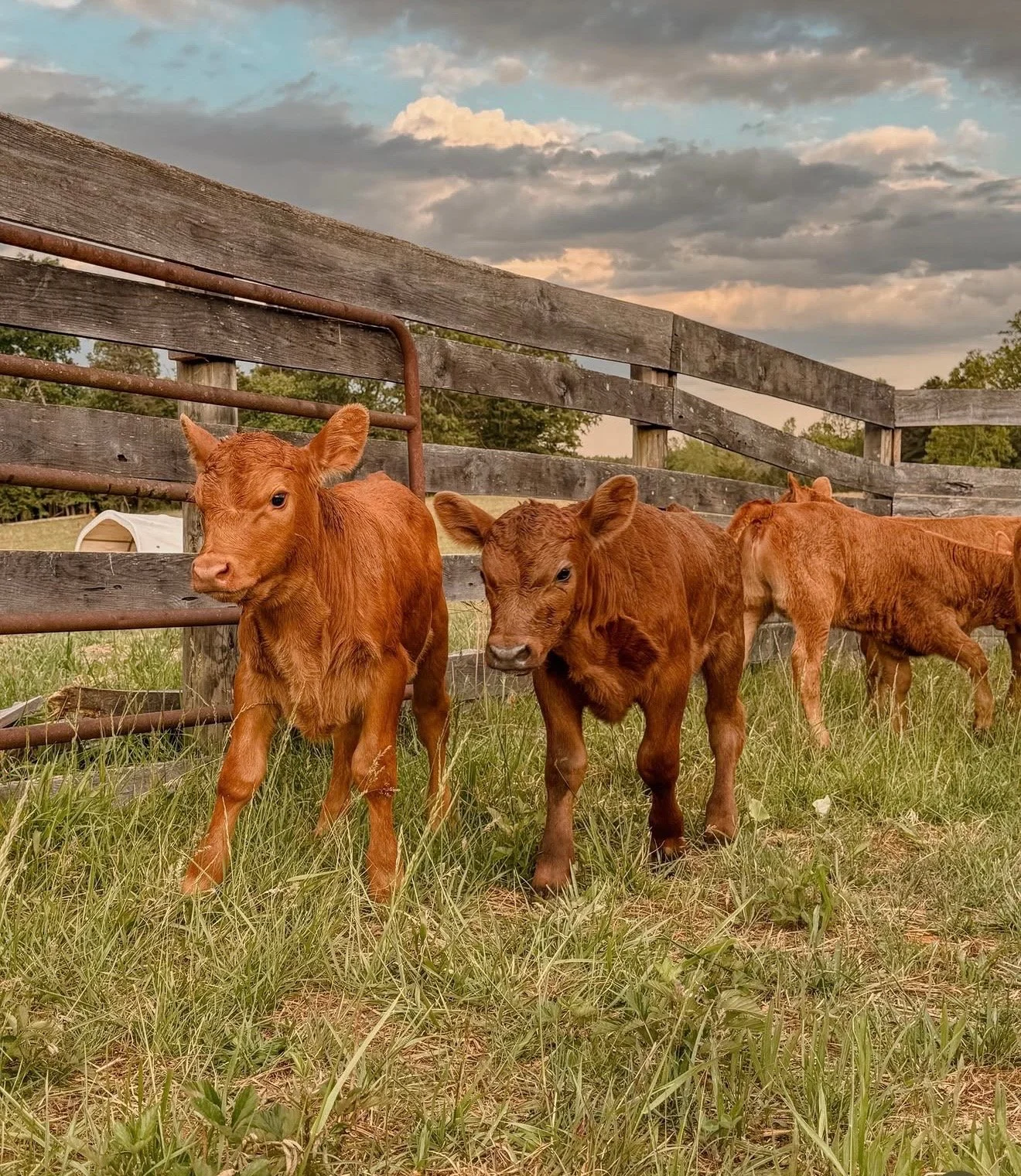
Photo: Wayfinder Holistic calves, born earlier this year, enjoying their new home in the pasture!
These stories represent just two examples among many. Behind every tent at our markets is a farm family adapting to increasingly unpredictable weather while continuing to grow the food that nourishes our community. That's why shopping at a farmers’ market has never been just about buying fresh produce. Every purchase helps local farms weather difficult seasons, invest in more resilient farming practices, and continue producing food close to home. In an era of climate uncertainty, supporting local farmers is one of the most tangible investments we can make in the resilience of our regional food system.
At Market Central, sustainability is woven into the way our farmers markets operate. Through partnerships with organizations likeBlack Bear Composting, we help divert food scraps and organic waste from landfills while returning valuable nutrients back to the soil. Many of our vendors also educate shoppers about soil health, regenerative growing practices, composting, and other methods that protect the land that sustains us. Starting in 2024, Market Central participated in a Climate Resiliency Cohort project sponsored by both the city and county. The purpose of this project is to focus on preparing Charlottesville for the impacts climate change will inevitably have on our local food system. Whether its growing, transporting, accessing, or affording local food, challenges have and will continue to impact our local food system. This fact further highlights the importance of community preparedness and ongoing conversations among community members and leaders.
Our markets encourage simple but meaningful actions that reduce waste, from shoppers bringing reusable bags and containers to farmers choosing reusable materials over single-use plastics whenever possible. Together, these efforts reflect the broader impact of farmers markets: creating a food system that is healthier for people, more supportive of local farmers, and more sustainable for our environment.
The next time you visit the farmers market, remember: you are doing more than buying food. You are supporting farmers who care for the land, understanding exactly who grew, raised, and harvested your food, participating in practices that reduce waste, and investing in a local food system designed to thrive in an uncertain future. And while these actions may seem small, they are part of a larger movement toward climate solutions. Climate solutions do not always begin with sweeping changes. Sometimes, they begin with a compost bin, a reusable bag, healthier soil practices at home, or a conversation between a farmer and a neighbor.
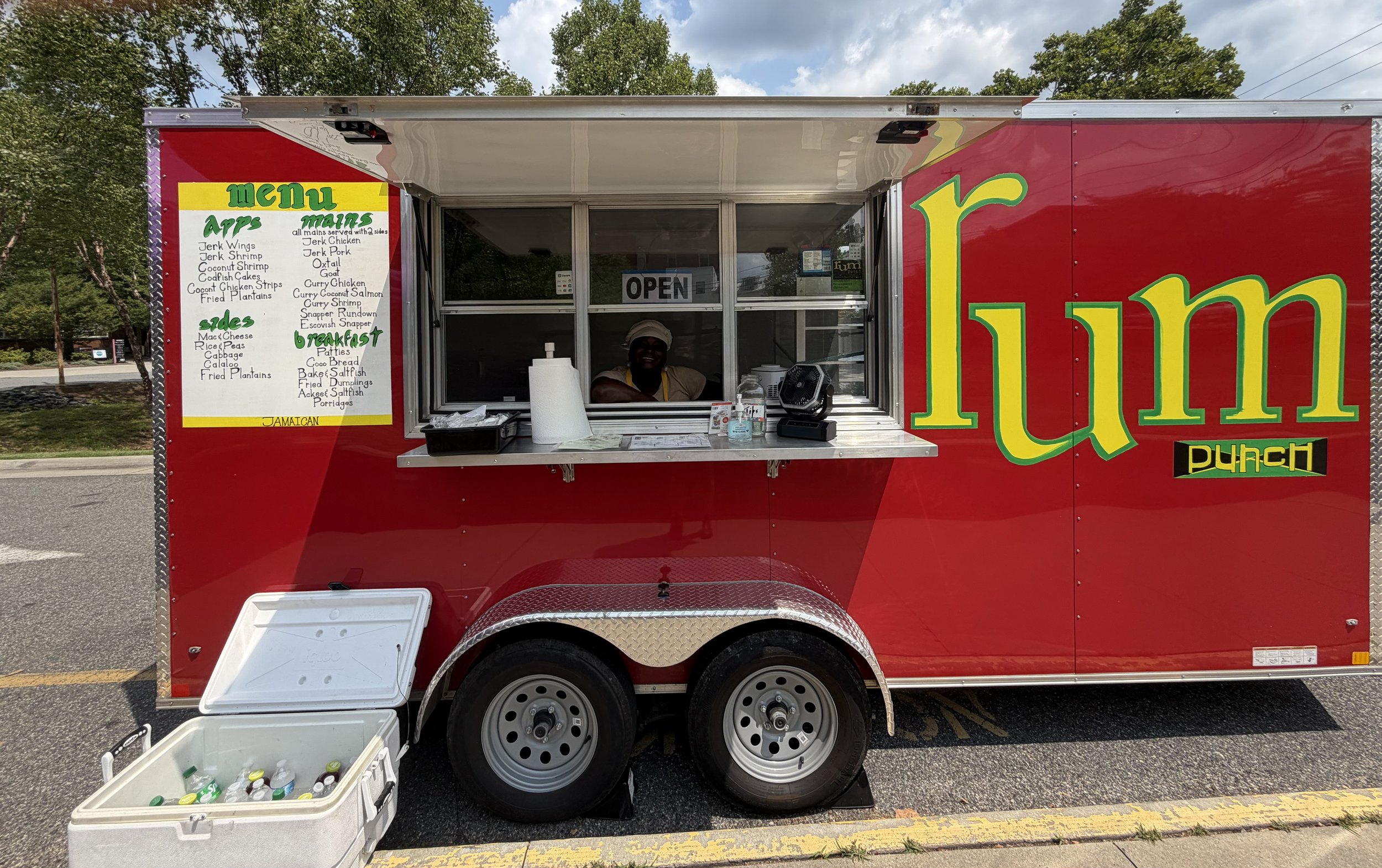
Photo: Racquel White of Rum Punch Jamaican Cuisine radiating positivity and sharing her infectious smile at our Starr Hill farmers Market
Market Central’s World Cup Series: Celebrating Global Cultures, Local Flavors, and Community Connections
By: Tim Rupnarain

One World. Two Markets. Countless Stories.
The FIFA World Cup may bring the world together every four years — but at Market Central, the world comes together every weekend.
Throughout the 2026 tournament, our farmers markets celebrated the incredible diversity of cultures, traditions, and stories represented by our vendors. From Colombia, the Democratic Republic of the Congo, Ghana, Mexico, Türkiye, the Netherlands, the United States, and many other corners of the globe, the Saturday Farmers Market at IX and Sunday Starr Hill Farmers Market continued to serve as gathering places where food, culture, and community unite.
As the tournament progressed through the knockout stages and teams battled for a place in the final, Market Central launched a special World Cup Vendor Spotlight Series highlighting the cultures, traditions, and small businesses that make our markets so unique. Throughout the series, we introduced our community to the people behind the booths—the farmers, chefs, bakers, and artisans whose stories reflect the global connections that make Charlottesville such a vibrant place to live. While celebrating countries competing on soccer’s biggest stage, we also honored the local entrepreneurs who invited us to experience the world right here at home.
While we couldn’t spotlight every vendor whose heritage contributes to the diversity of our markets, this series served as an exciting first step in exploring new ways to celebrate our international community. We introduced festive activities at our markets including displaying flags from around the world, celebrating our vendors' home countries, and engaging with local diaspora communities who bring their traditions, flavors, and stories to Charlottesville. The World Cup gave us a unique opportunity to recognize that our farmers markets are more than places to shop—they are vibrant gathering spaces where cultures connect, neighbors build relationships, and the world comes together through food. From discovering a new favorite dish to meeting a local maker or sharing a meal inspired by another part of the globe, our markets showed that supporting local is also a way to connect globally.
A Taste of the Democratic Republic of the Congo: Afrika Moto Cuisine
One of the highlights of our World Cup Vendor Spotlight Series was a celebration of Afrika Moto Cuisine, a beloved Market Central vendor bringing bold, homemade African flavors to Charlottesville. Owned by Elsie,Afrika Moto Cuisine introduced market shoppers to the rich culinary traditions of the Democratic Republic of the Congo and beyond. Her menu featured comforting dishes filled with flavor and heritage, including peanut butter chicken, goat meat, tomato chicken, jollof rice, fried fish, plantains, matoke, and more.
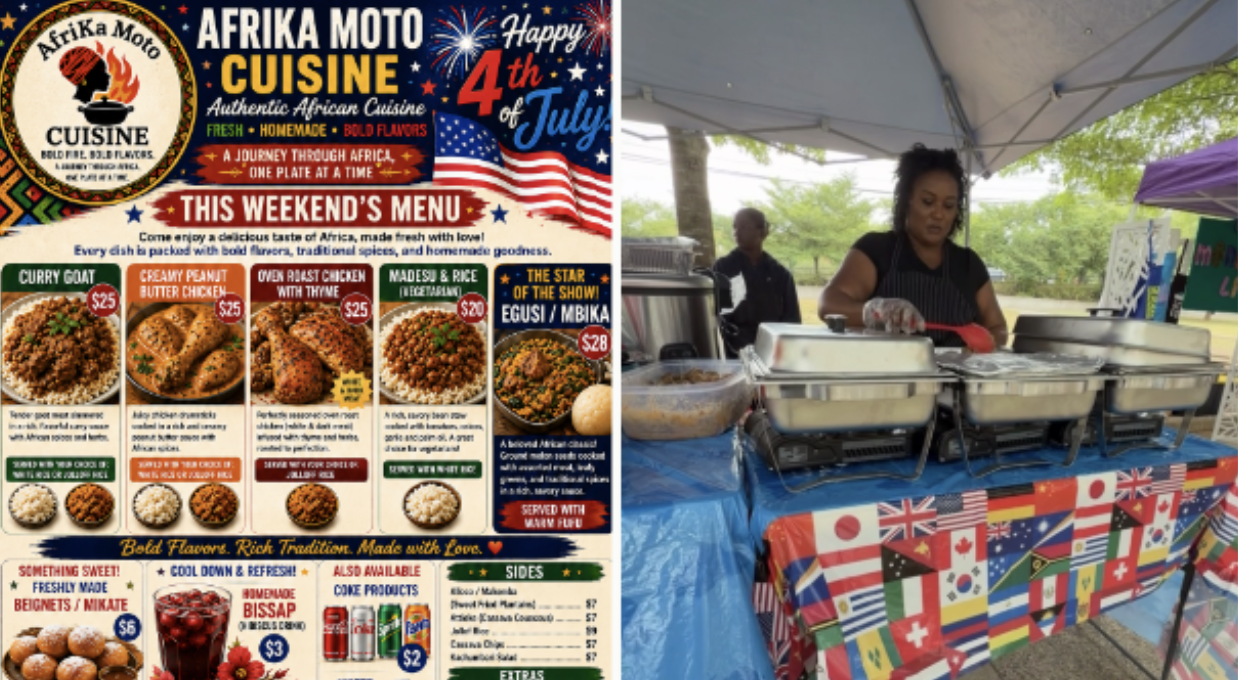
The Democratic Republic of the Congo captured the attention of football fans around the world during the 2026 FIFA World Cup, reaching the knockout stage with an inspiring performance that brought pride and excitement to Congolese communities across the globe. Although their tournament journey eventually came to an end, the team’s determination and spirit reflected the same passion, resilience, and pride that communities carry through food, culture, and tradition. At Starr Hill Farmers Market, Afrika Moto Cuisine brought that same spirit to life by creating an opportunity for neighbors to gather, share a meal, and experience the flavors of Congo right here in Charlottesville.
Whether shoppers were looking for a taste of home, trying something new, or simply supporting a local African-owned business, Afrika Moto Cuisine reminded us that food has a powerful ability to connect people across cultures.
Celebrating Ghanaian Hospitality with Eden’s Table
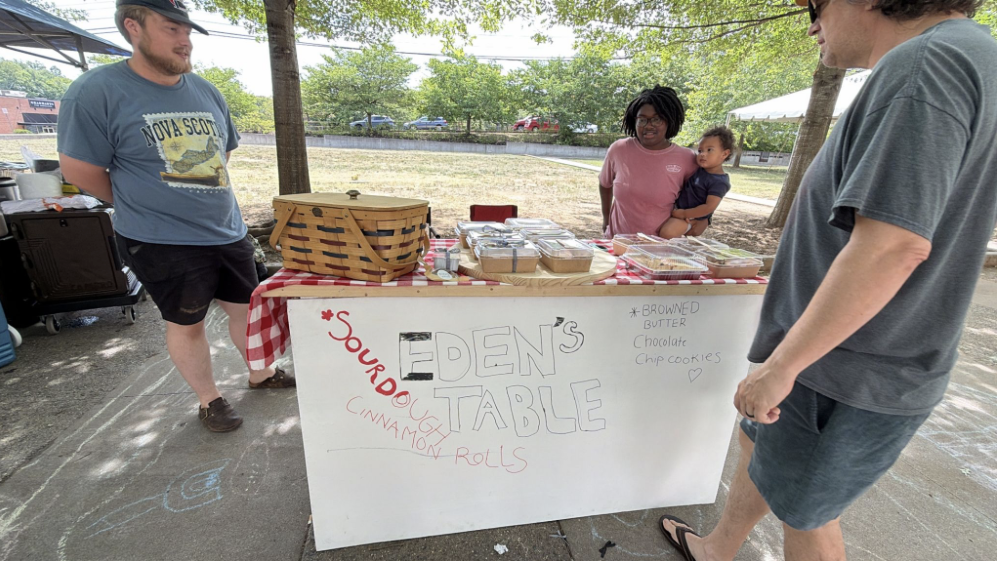
The World Cup Series also gave us the opportunity to celebrate Eden’s Table, owned by Kezia Baffour of Louisa, Virginia, whose family roots are in Ghana. Ghana’s national team, the Black Stars, once again represented the passion, pride, and football tradition that have made them one of Africa’s most respected football nations. While their 2026 World Cup journey came to an end in the knockout stage after a hard-fought match against Colombia, the team’s presence on the world stage brought supporters across Ghana and the global Ghanaian diaspora together in celebration of their shared love for the game.
Inspired by that same spirit, Eden’s Table brought a taste of Ghanaian warmth and hospitality to Starr Hill Farmers Market. As her family’s resident baker, Kezia combined her love of baking with wholesome ingredients, proving that delicious treats can also be made with care and intention. Market shoppers enjoyed freshly baked brown butter chocolate chip cookies, sourdough cinnamon rolls, and artisan sourdough bread, all crafted with passion and perfect for sharing with family and friends.
The connections within our market community extended beyond the booth as well. Kezia’s husband is also part of the Market Central family, working alongside fellow vendor Hog Haven. Relationships like these reflect what makes our markets so special: local businesses supporting one another, families building connections, and neighbors coming together around shared experiences.
Celebrating the World Through Local Markets
The World Cup may have crowned a champion, but the celebration of culture and community continues every week at Market Central. Our farmers markets are more than places to buy fresh produce, prepared foods, and handmade goods. They are spaces where stories are shared, traditions are celebrated, and neighbors have the opportunity to learn from one another. From Congolese cuisine to Ghanaian baked goods and countless other cultural traditions represented throughout our markets, every vendor brings a unique story that strengthens our community.
Thank you to everyone who joined us for the World Cup Vendor Spotlight Series and helped us celebrate the incredible diversity of our vendors. Whether you came for the food, the culture, the community, or simply to experience something new, we hope you saw what makes Market Central markets so special: One World. Two Markets. Countless Stories.
When in Doubt, Preserve it!
By: Maggie Kunkel
We’ve reached the point in the growing season where my garden is producing too many cucumbers for me to keep up with. If you also find yourself in this situation, this recipe is for you! As a self-proclaimed pickle enthusiast, what better way to use a fridge full of garden cucumbers than some homemade dill pickles?!
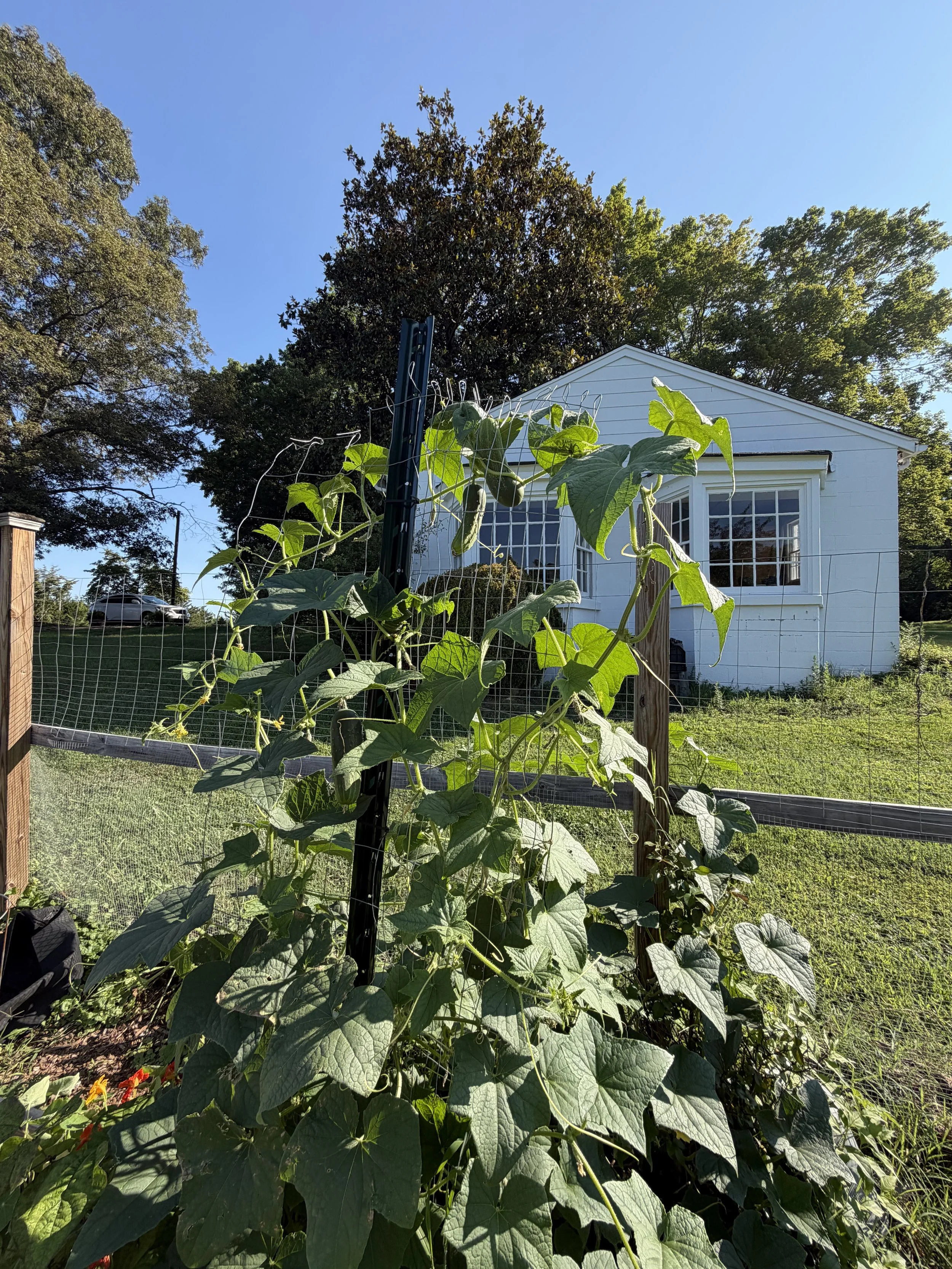
Photo: Maggie’s monstrous cucumber plant takes over
And to take it a step further, water bath canning offers a way to make those pickles last in your pantry until you find yourself in the same situation next season! If water bath canning is new to you, or seems a little intimidating, don’t you worry, here is a delicious quick, refrigerator pickle recipe for you to try out! If you are a seasoned canner, or if you are feeling ambitious and would like to try it out, pickles are a great place to start. Here is an easy to follow recipe for canned Kosher Dill pickle spears! It’s important to note that when you are canning at home, it’s important to follow tested recipes and their exact measurements and processing times to ensure you are canning safely and eliminating risk for illness. You can find safety-tested canning recipes through sources like the National Center for Home Food Preservation, or Ball Mason Jars websites.
And if pickles aren’t your jam, I wanted to share another fun recipe I’ve turned to as a solution for garden overflow. I’ve always wanted to take a stab at fermenting my own hot sauce, and this year I finally grew enough peppers to make it happen (along with some help from the abundance of serranos in my Bellair Farms CSA share)! If you too are looking for a way to not only use up some of your peppers, but also make them last a while in the fridge, try this Lacto-Fermented Hot Sauce Recipe. The beauty of this recipe is that it;s highly customizable– you can use whatever peppers make your heart (and tastebuds) happy! I opted to experiment, so I ended up doing a jar of plain serrano, a jar of cayenne/serrano, and a jar of serrano/jalapeno.
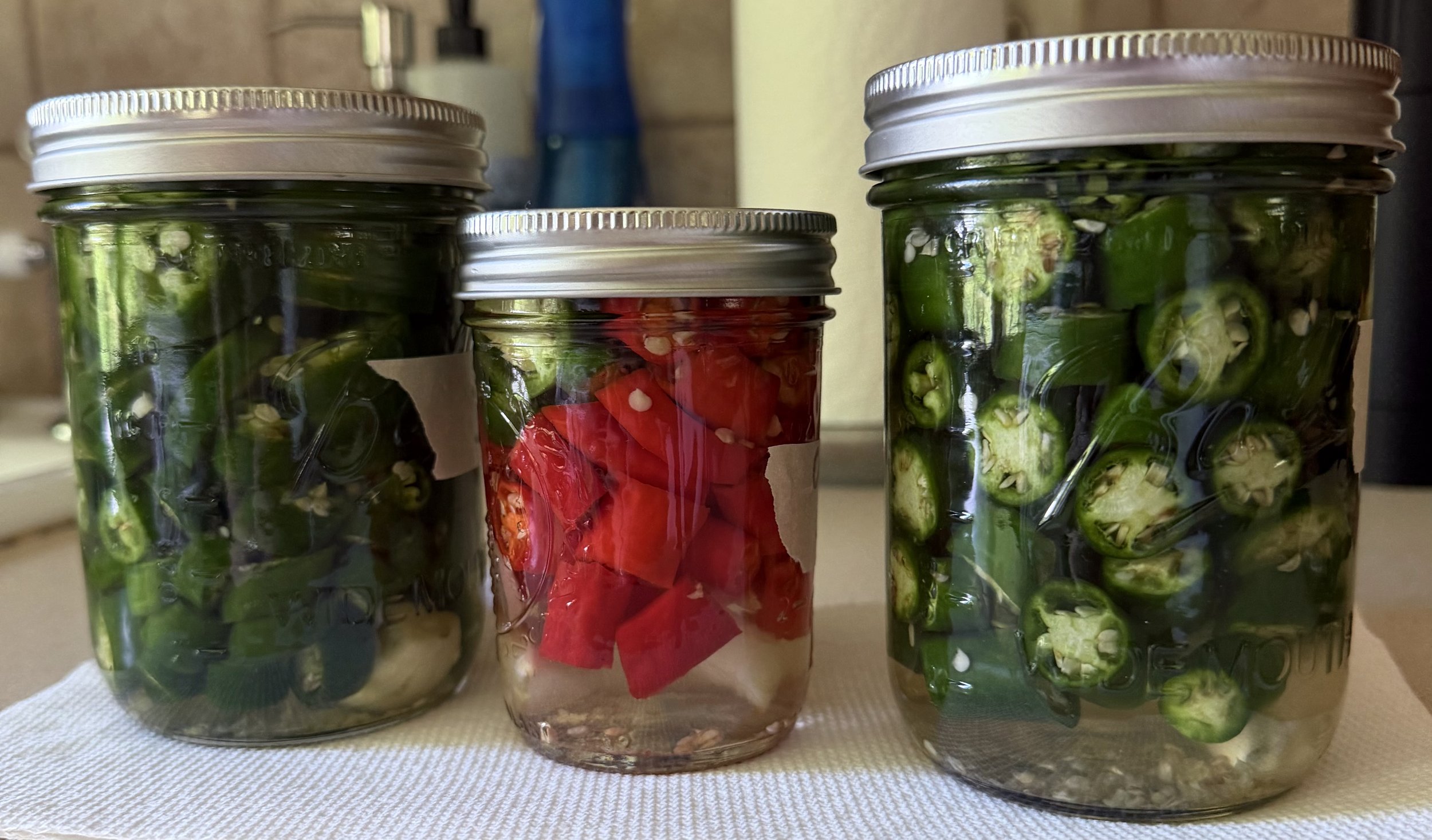
Photo: Maggie’s Lacto-Fermentation Experiment
Looking Ahead: Our Vision for the Future of Market Central and Charlottesville’s Food System
By: Cecile Gorham & Maggie Kunkel
Through 25 years of first-hand market experience, research, and our participation in the Climate Resiliency Cohort, we at Market Central have developed a vision for a community-owned, year-round market with a permanent site that would allow us to make investments into the infrastructure to protect against weather extremes, incrementally add more market days throughout the week, implement different types of markets/ expand our event offerings, and offer more amenities such as a community kitchen, an office and storage facility, and a shared space for non-profit organizations. We invite the community to share in realizing this vision for stable and sustainable farmers markets through using a community land trust to acquire market space. National Farmers Market Week helps recognize the benefits markets bring to communities, and is an invitation to fortify them to withstand future challenges. If you are interested in supporting Market Central or our markets, are able to offer any insight on making this vision come to life, or would generally like to stay up to date on our work, an online forum will be ongoing on the Market Central website!
“Farmers markets don’t just happen, YOU make them happen.” –Farmers Market Coalition & Farmers Market Pros
What to Look Forward to During National Farmers Market Week!
We are lucky enough to have teamed up with some local organizations to offer special events and activities for our National Farmers Market Week markets. Unfortunately, our Starr Hill market last week was ultimately cancelled due to the heavy rains and flood risk, but worry not, we will be rescheduling the events that were planned. One of which will be happening this Sunday, August 9th! This Sunday, Cville VegEd will be doing cooking demonstrations and offering free tastings along with some nutrition information detailing the pros of incorporating more plant-based recipes into your diet. Looking forward to the following week, Charlottesville Yoga Club will be hosting a flow yoga class at our Starr Hill market on August 16th!
For National Farmers Market Week at our Ix market tomorrow, the Sierra Club will be sharing some information about ways to create a greener market at their booth! They will touch on everything recycling, trash sorting, and waste management at our market, so stop by the Sierra Club’s tent tomorrow at the market to help us make the Farmers Market at Ix as environmentally low-impact as we can! There will be chances to get a free Market Central insulated market tote, so stop by early! We will also have an assortment of free tastings for you to enjoy– Shooting Star Acres & Encanto Homestead will be teaming up to offer local pork and veggie kabobs, Elena from Pies & Produce will be preparing a fresh Purslane salad, and the Market Central team will be preparing a seasonally-inspired salsa and a cucumber salad made with produce sourced from our vendors and gardens! Lastly, come shop local and dance with us tomorrow, August 8, as Max plays a DJ set at market!
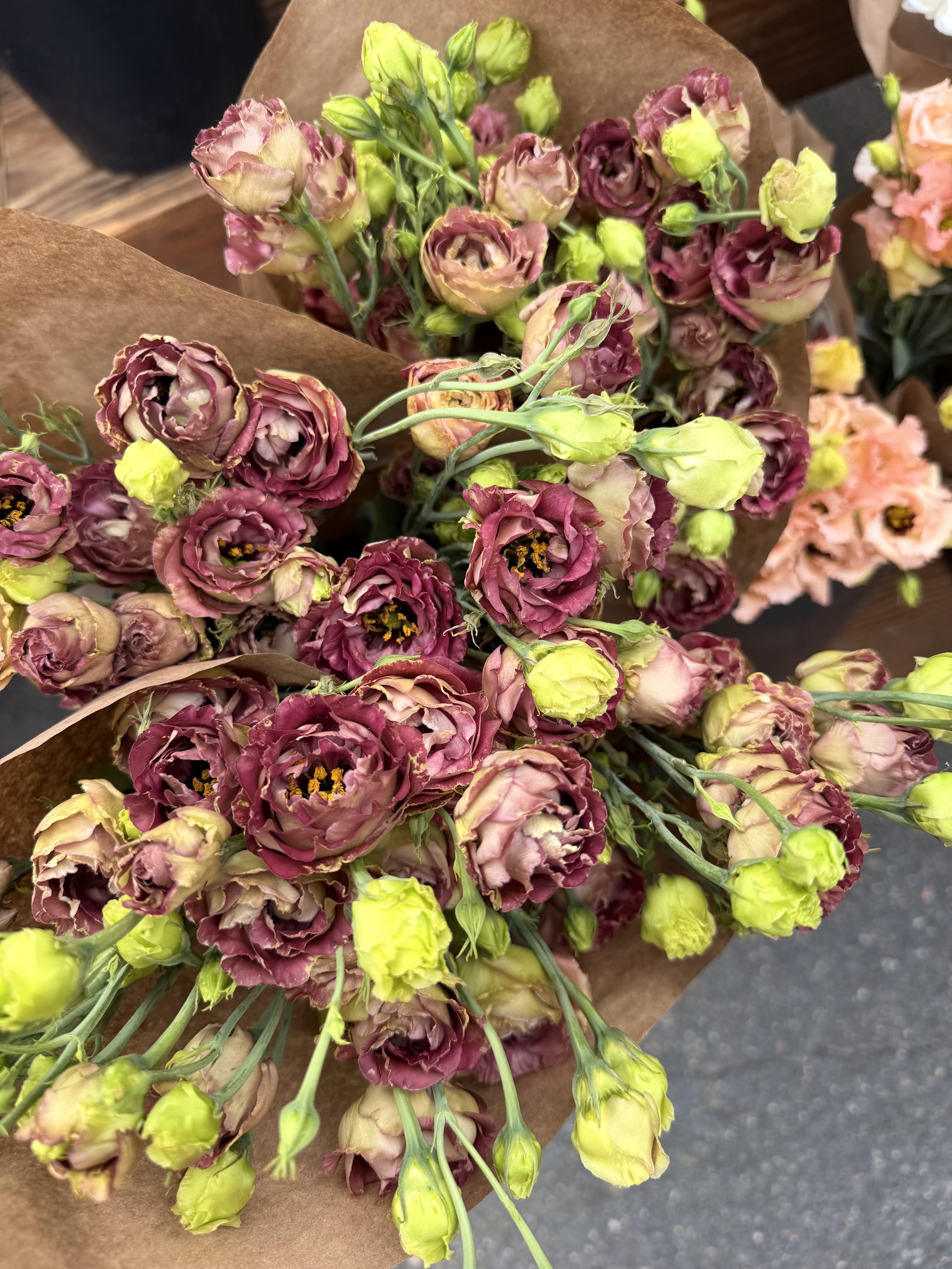
Photo: A beautiful flower bouquet by Sweet Greens Flower Farm at market last weekend!